Liveaboard WiFi: Does It Work Offshore?
Setting sail on a dive liveaboard is, for many of us, the ultimate way to disconnect from daily life and dive into some of the most pristine underwater spots around the globe. But for those of us who like to stay connected—whether to share photos, check dive logs, tuffpfp or stream a playlist between dives—the question inevitably arises: Does internet at sea actually work? Let's unpack the realities of remote connection issues on liveaboards, the charm of limited digital options, and how an offline-first mindset can transform your dive trip experience.

Understanding Liveaboard Routines: More Than Just Diving
Before diving into the tech side, it's important to understand the rhythm of a typical liveaboard trip. These boats establish a unique pace that alternates between action-packed dives and long periods of calm on deck. The routines naturally limit excessive screen time and encourage a more relaxed, social environment.
The Magic of Surface Intervals
Surface intervals aren’t just for decompression—they offer a beautiful, unstructured window to connect with fellow divers. As the boat drifts or motors to the next site, divers often gather on deck with their phones and tablets in hand, checking photos, swapping stories, or simply enjoying the sun. The lack of fast internet often means these moments are slower, more intentional.
- Phone usage: Quick photo edit and share (often saving until WiFi is viable ashore)
- Tablet time: Reading ebooks or streaming downloaded content offline
- Offline apps: Dive log apps or offline maps to plan the next dive spot
The Reality of Internet at Sea
It's tempting to assume WiFi is a given these days, but on a liveaboard far offshore, the story is quite different. Internet connections rely heavily on satellite and cellular systems that are affected by distance from land, weather, and the boat’s communications setup.
Remote Connection Issues Explained
Connection Type Speed Reliability Typical Usage Satellite Internet Slow to moderate (often < 2 Mbps) Variable; sometimes intermittent during rough seas/weather Basic browsing, email, messaging apps Cellular Network (Near Shore) Moderate to fast (up to 10 Mbps) Good close to land; lost quickly offshore Video calls, social media, light streaming Offline Mode N/A 100% reliable (once content is downloaded) Streaming, reading, gaming without connectivityMost liveaboards will advertise free WiFi, but remember that free often means basic, low-bandwidth connections suitable for texting and emails, but not much else. Streaming an episode or uploading that epic manta ray photo in high resolution? Likely going to require patience—or better yet—pre-planning.
Offline-First Entertainment: A Mental Checklist for All Digital Divers
Here’s where my personal quirks kick in. I keep a mental checklist to make sure phones and tablets are loaded with enough offline downloads for the trip—a habit that beats frustration at sea:
- Podcasts: Several episodes instead of relying on streaming
- Ebooks and PDFs: Loaded on Kindle or reading apps for long surface intervals
- Downloaded music playlists: Perfect for post-dive wind-down sessions
- Offline maps and dive logs: Digital dive guides and logbook apps that don’t need syncing every minute
By embracing an offline-first approach, you’re not only saving yourself from being frustrated by spotty internet but also allowing yourself to enjoy the slow evenings onboard that feel so rare in our always-connected lives.
How Evenings Change After the Last Dive
Any diver who’s lived the liveaboard life knows that the evening pace dramatically shifts once the gear is rinsed and stowed. The ritual of cleaning your mask, regulator, and fins creates a tiny pause—a ritual that signals the day’s excitement is winding down.
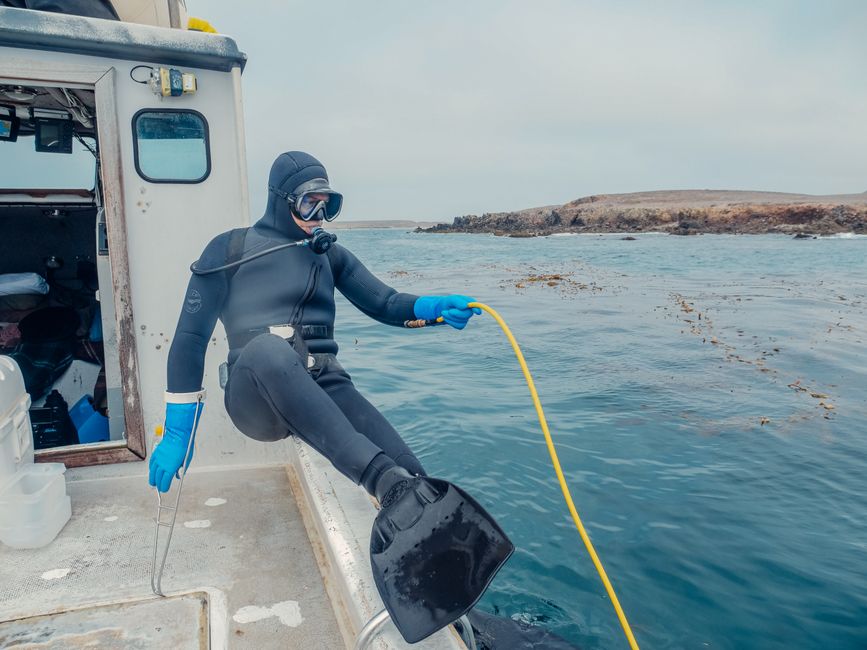
It’s this slower tempo that encourages less screen time and more genuine bonding. No one’s rushing to hotspots or signing up for last-minute excursions here. Instead,
- Deck chats about what everyone saw on the same dive site
- Comparing surface interval notes — “I spotted this rare nudibranch at 15m!”
- Swapping tips on camera settings, or which divemaster's stories are making the rounds
- Quiet moments watching stars with no light pollution around
No WiFi stress, no overpacked schedules. Just the kind of evenings where digital entertainment takes a back seat to the human moments that make these trips memorable.
Divers’ Tech Tips for Navigating Internet at Sea
For those planning liveaboard trips, here are practical tips to keep your tech happy and your nerves calm about internet connectivity:
- Do not rely on constant WiFi: Assume you will be mostly offline when in remote waters.
- Download everything before boarding: Podcasts, ebooks, music, offline dive maps, and apps.
- Bring power banks and extra cables: Keeping gear charged is critical when shore charging opportunities are limited.
- Use apps designed for offline use: Dive log apps like DiverLog+ or Subsurface allow offline input and sync later.
- Share files locally: Use Bluetooth or offline WiFi hotspot to swap photos and videos wirelessly among guests without internet.
Conclusion: Embrace the Offline Freedom
While internet at sea is improving slowly with advances in satellite technologies, remote connection issues remain a reality for most liveaboard divers. Rather than trying to squeeze your digital life through thin bandwidth, embracing offline downloads and the slower rhythms promoted by liveaboard routines results in a richer experience.
Instead of stressing about missed notifications, you get to savor:
- Genuine surface interval relaxation and social bonding
- The satisfying routine of post-dive gear care signaling downshift
- Evenings of conversation and stargazing instead of screen glare
- The satisfaction of tech-savvy offline entertainment prepared well ahead
So pack light on digital expectations, heavy on offline entertainment, and prepare to enjoy your dive trip to the fullest—both below and above the surface.